About Us
Our Story
Neuroscience Community Outreach Group (NCOG) is a graduate student ran organization at the University of Washington. Our mission is to enhance public neuroscience education, excitement of neuroscience, and understanding of pathways to scientific careers through classroom visits and public events.
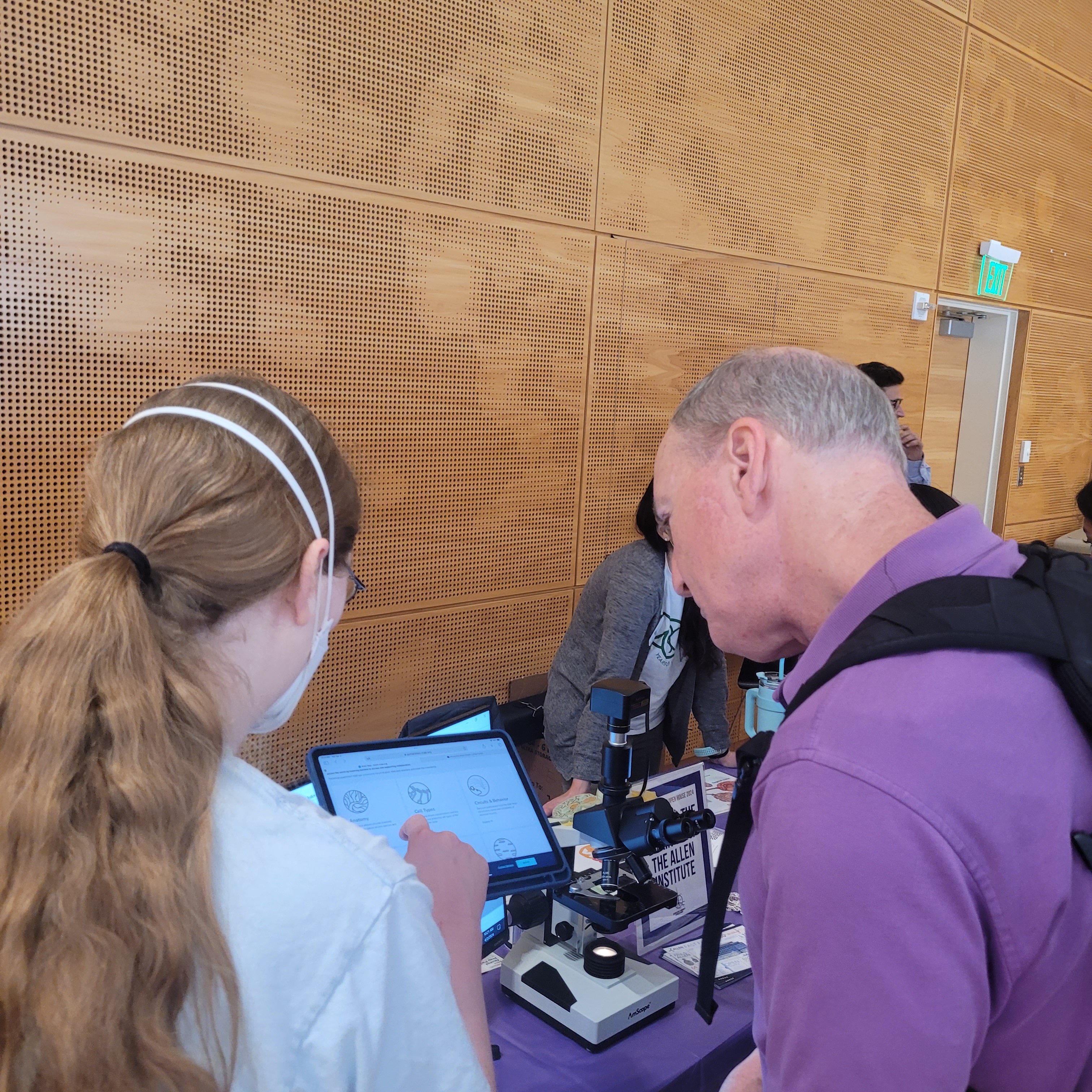
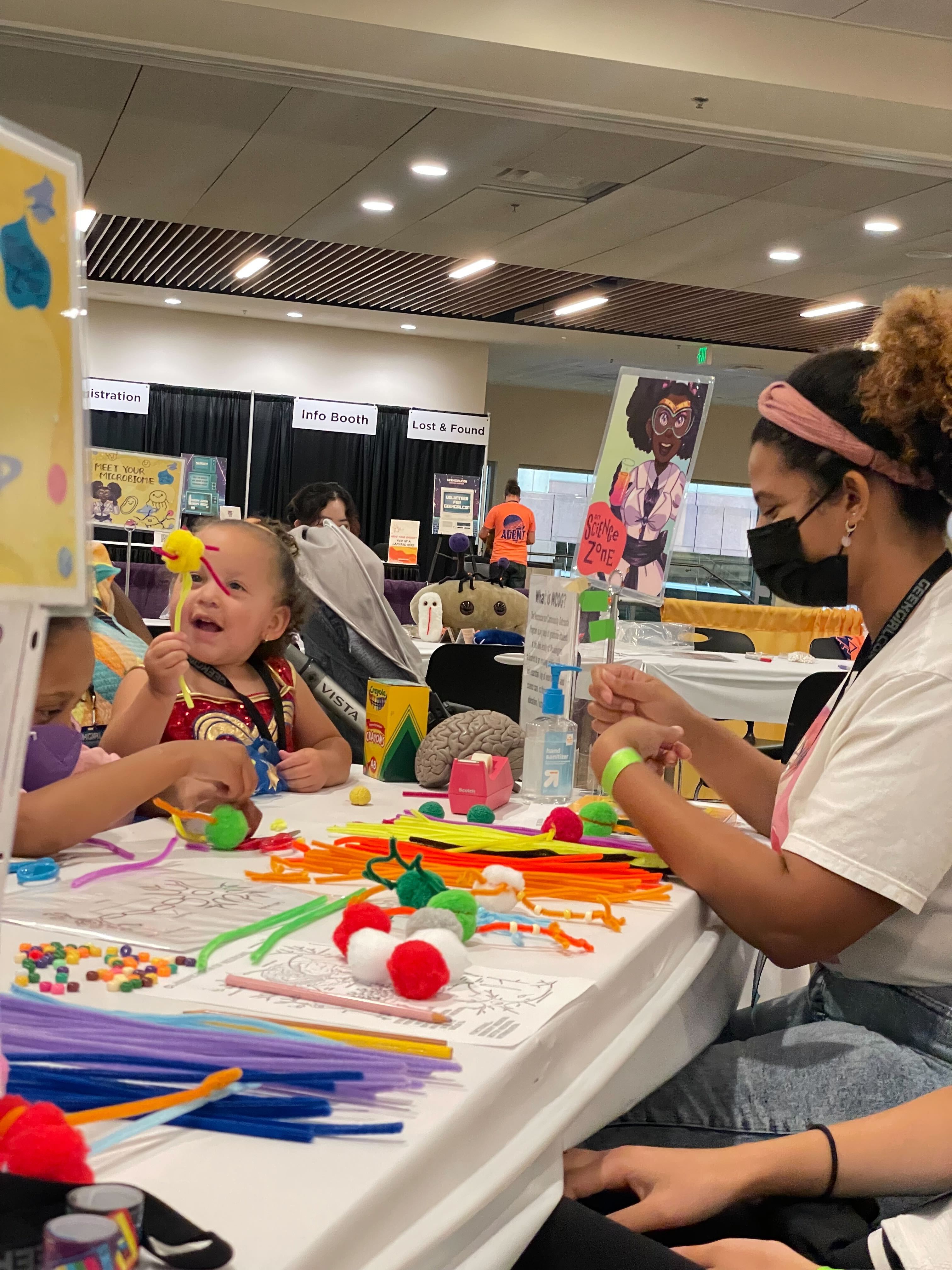
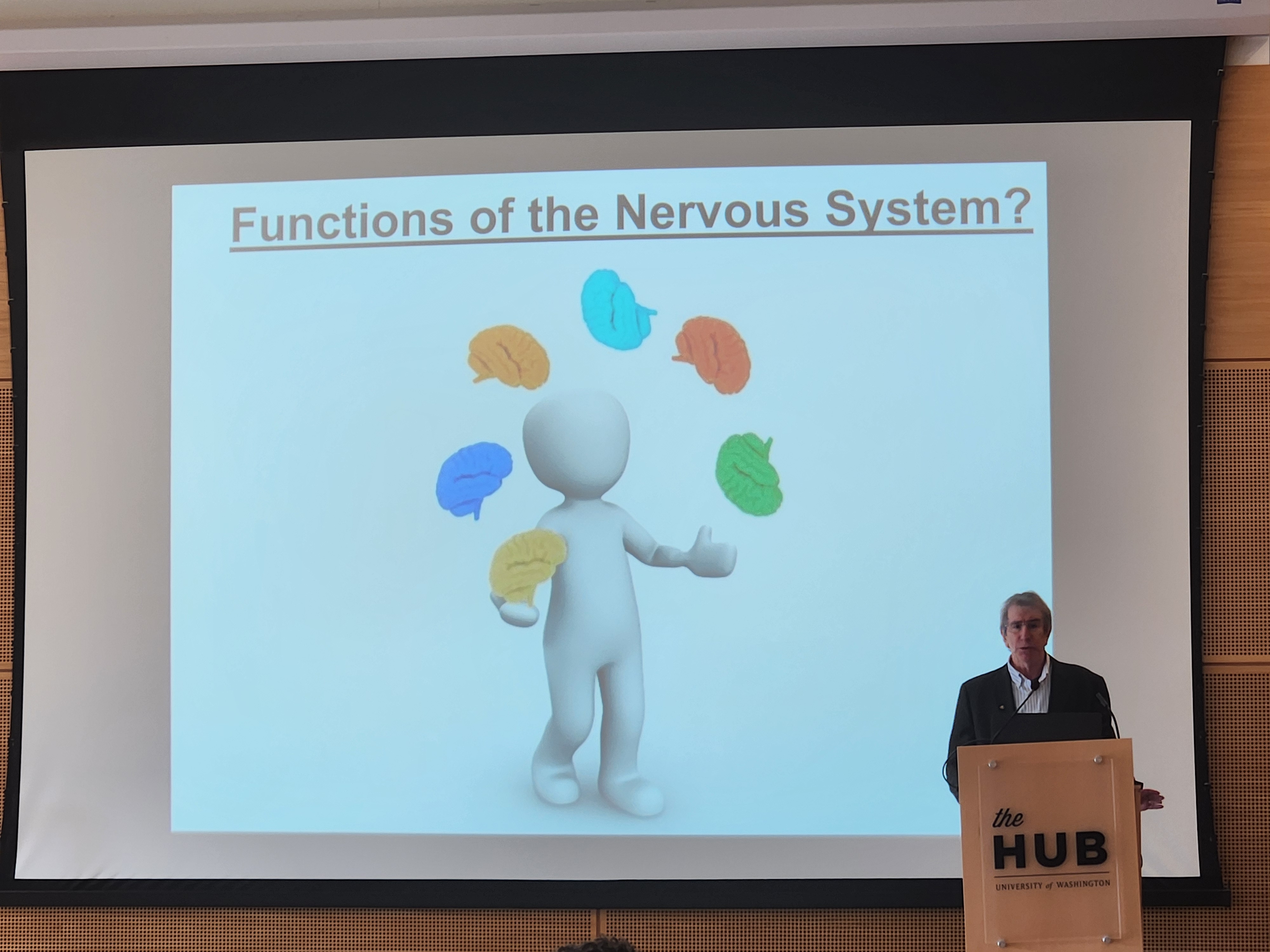
We host our own events, organize classroom visits by teacher request, and participate in events from similar organizations.
NCOG was originally established in the early 2000’s by several neuroscience PhD students at the University of Washington. The organization was incredibly successful, becoming the inaugural recipient of the Next Generation Award by the Society of Neuroscience in 2007. Unfortunately, like many organizations, NCOG took a hit during the COVID pandemic and became dormant for several years. In 2023, several new neuroscience PhD students (the current leadership team shown below) re-founded the program, inspired by the ever-growing need for science education that was exacerbated by the pandemic. The team is working to utilize the resources left behind to revitalize the organization and bring it back to its former glory as well as identify new areas of need in the Seattle community.
Our Leadership Team
Monica
Tschang
she/her
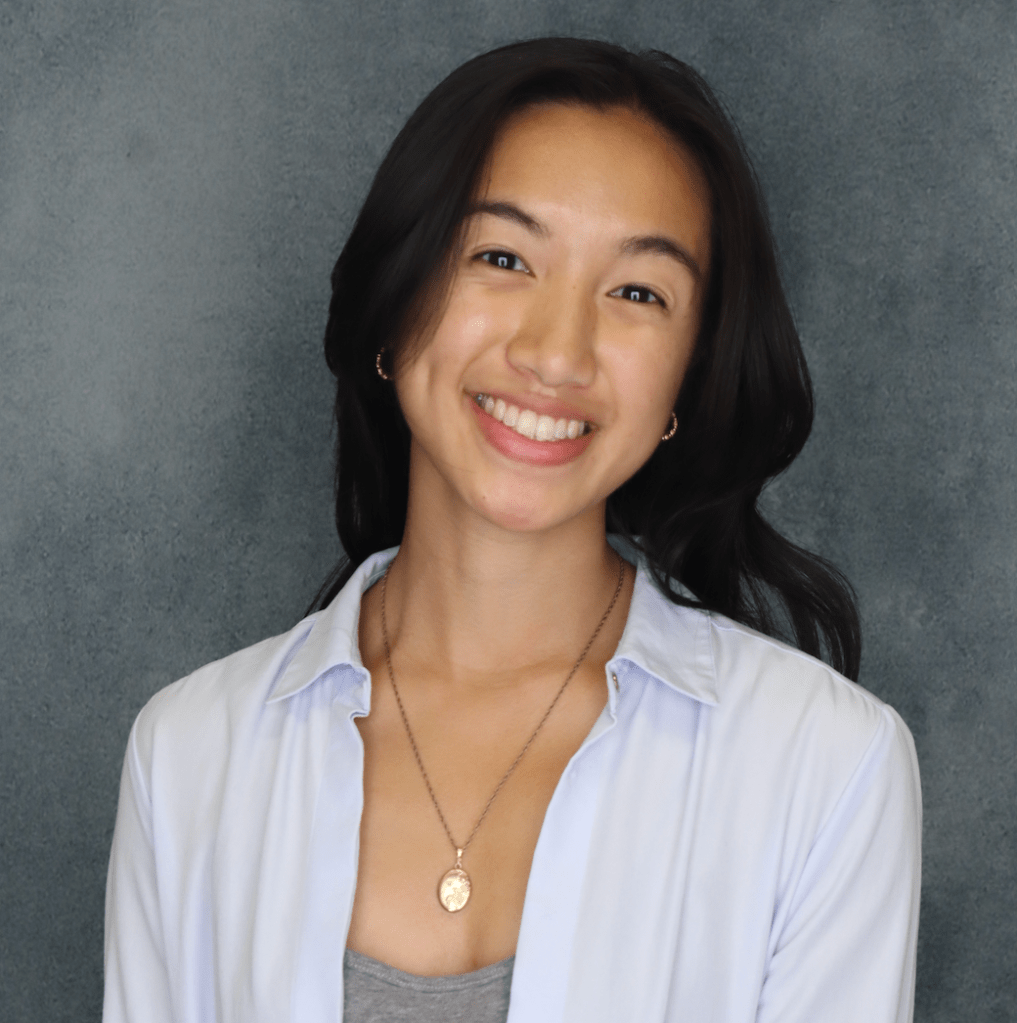
Monica is a Neuroscience PhD Candidate studying the microbiome-gut-brain axis and stress. She’s a science communication enthusiast, figure skating coach, and science comedy show producer.
Favorite brain fun fact: Your enteric nervous system, also known as your “second brain”, is a system of hundreds of billions of neurons that are embedded into your digestive system that can operate independently of your “first” brain.
Connect with me!
email: mat361@uw.edu
linkedin: https://www.linkedin.com/in/monica-tschang-873529209/
Larissa Jean Etta
Robinson-Cooper
she/they
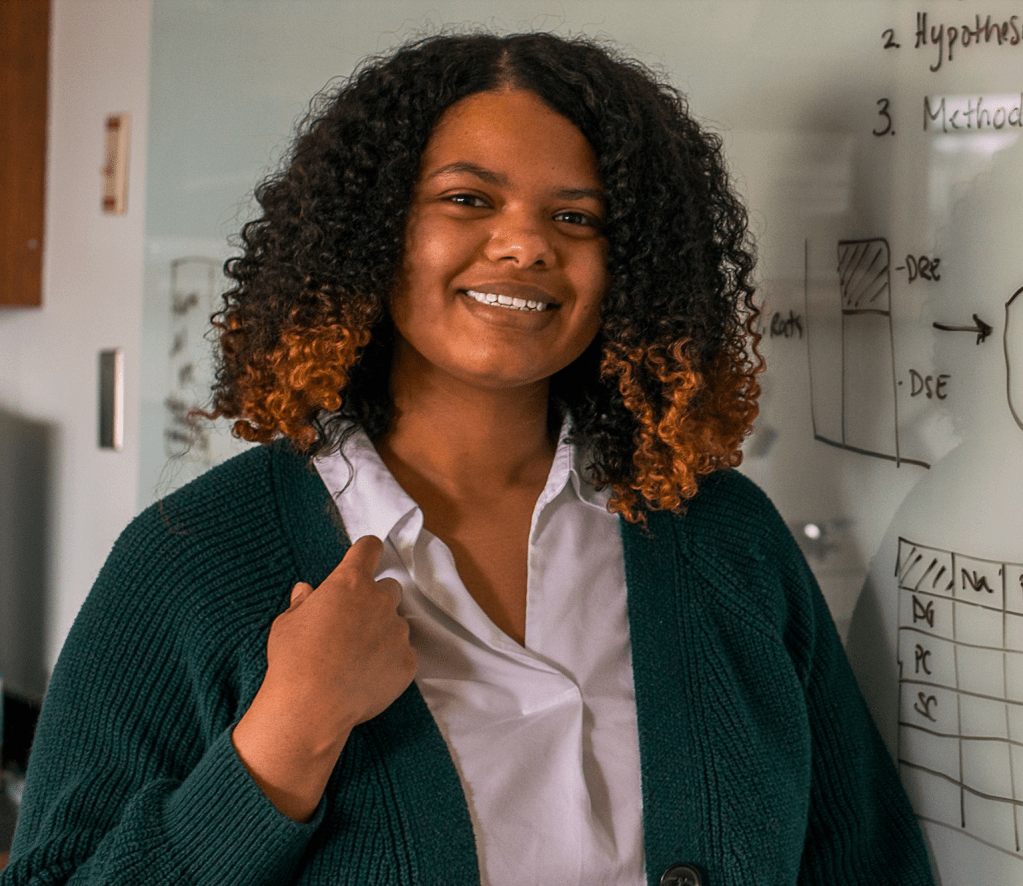
Larissa received her B.S. in Neuroscience from the University of Michigan before enrolling in the Graduate Program in Neuroscience at the University of Washington in 2022 and joining the Barker-Haliski lab the following summer. Her research is focused on understanding how having Alzheimer’s disease increases the risk of seizures and epilepsy.
Favorite thing about my job: Constantly learning new things!
Connect with me!
email: ljrobincooper@gmail.com
linkedin: https://www.linkedin.com/in/larissa-robinson-cooper-b11919152/
Alexander Ladd
he/him
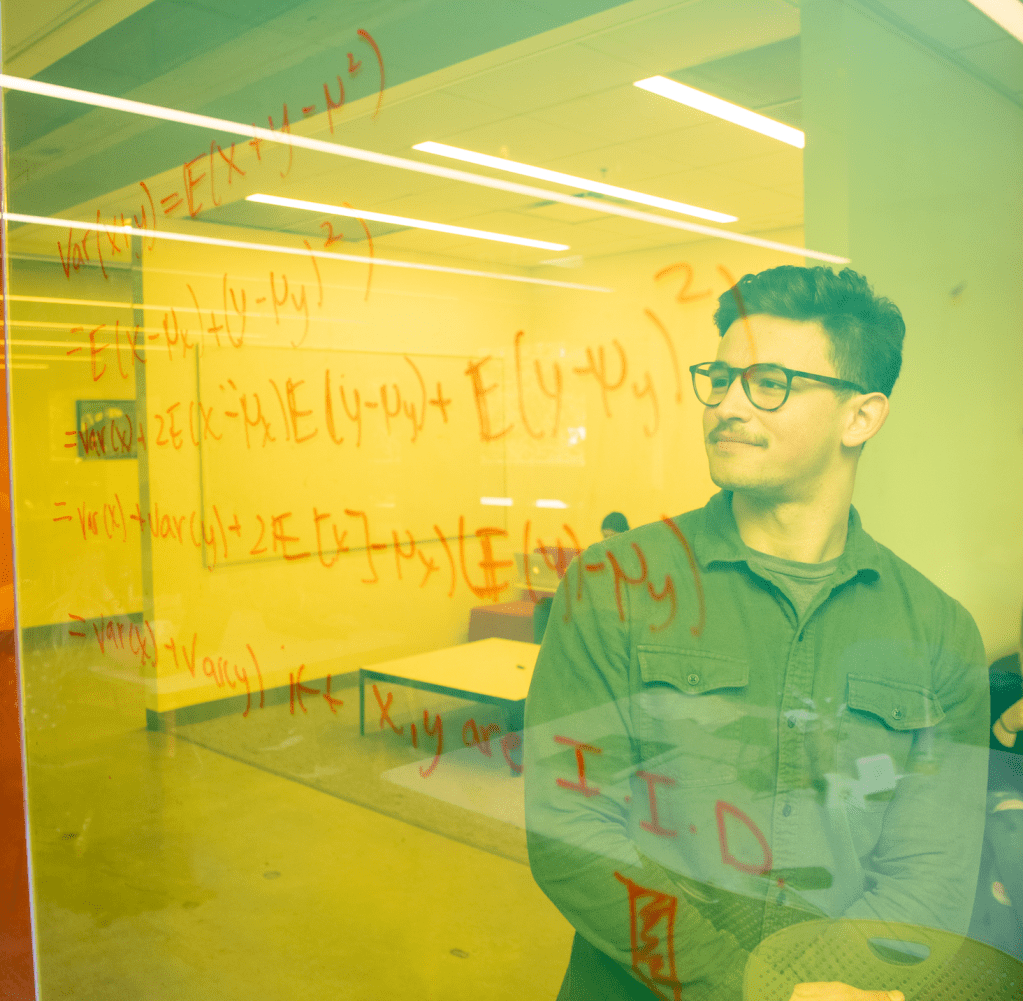
Xander is a neuroscience PhD student at UW studying systems and computational neuroscience. Outside of research, he loves doing everything involving movement, from running to lifting to yoga and everything in between.
Favorite thing about my job: I’m really interested in how systems evolve over time and I love studying dynamical systems which lead to really intuitive physics based descriptions about how the brain does perception and decision making.
Connect with me!
email: aladd38@uw.edu
linkedin: https://www.linkedin.com/in/alexander-ladd-b21689156/
Jordan Ogg
she/her

Jordan received her BS in biology and psychology at Stetson University before enrolling in the graduate program in neuroscience at UW in 2023. She is currently in the labs of Caitlin Latimer and Jessica Young, investigating how the endolysosomal system is related to Alzheimer’s disease and related pathologies found in ALS. She works with stem cells and post mortem human brain tissue.
Favorite thing about my job: Seeing the amazing intracellular systems of a cell under the microscope!
Connect with me!
email: jogg12@uw.edu
linkedin: https://www.linkedin.com/in/jordan-ogg-288b28172?
Dickson Chen
he/him
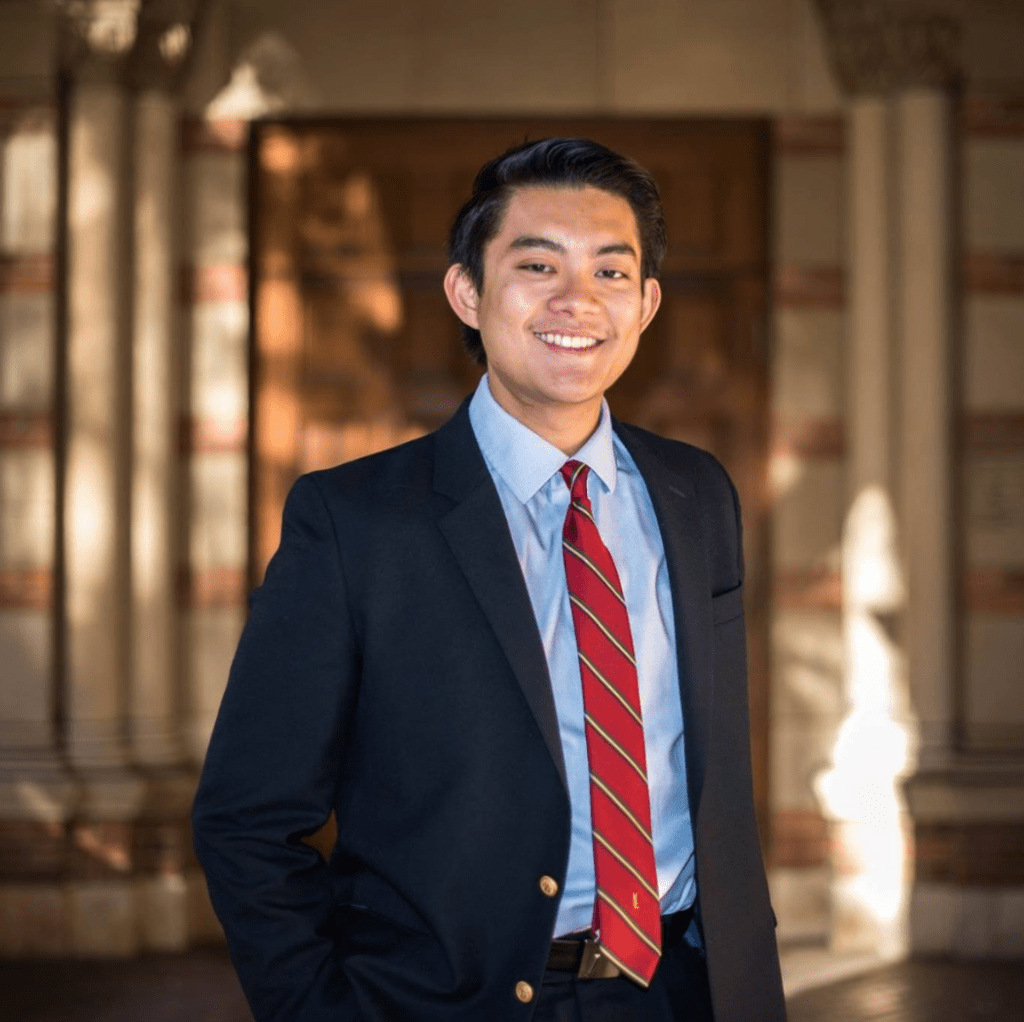
Dickson is a Pacific Northwest native, proud Seattle Public Schools alumnus (Ingraham 2015), and current Neuroscience PhD Candidate at the University of Washington studying the brain’s microscopic blood vessels in health and disease. Outside of the lab, he am a tech and science enthusiast, and part-time professional photographer.
Favorite fact about the brain: There are an estimated 200-400 miles of blood vessels in the brain that facilitates the delivery of oxygenated blood to 100 billion neurons. This process is called neurovascular coupling and it governs our ability to speak, move, plan, and execute complex tasks such as higher-ordered thinking and cognition!
Connect with me!
email: dtchen19@uw.edu
linkedin: https://www.linkedin.com/in/dicksontchen/
Deja Monet
she/her
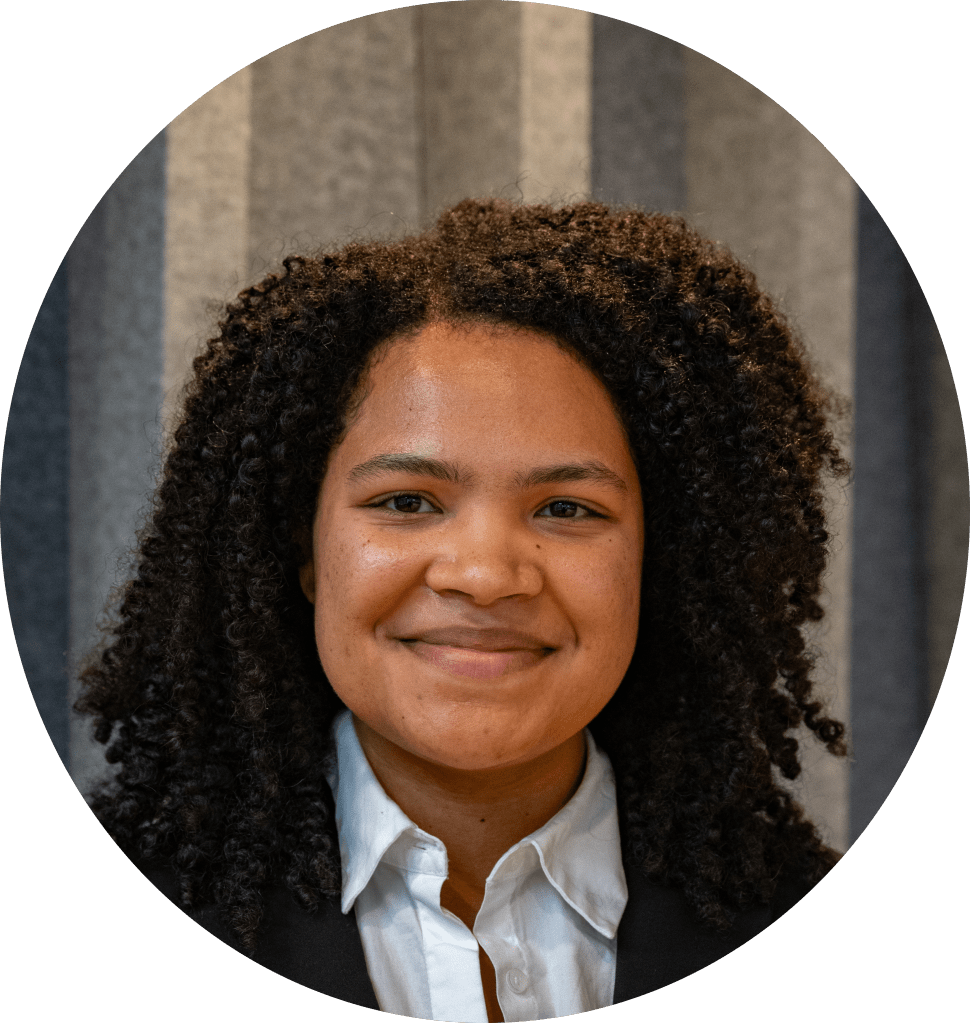
Deja is a neuroscience PhD candidate whose research focuses on what causes a brain to develop under pressure. Outside of research, she loves birdwatching and working on crafting projects.
Favorite thing about my job: Learning about new microscopes!
Connect with me!
email: dejamm@uw.edu
Faculty Advisor
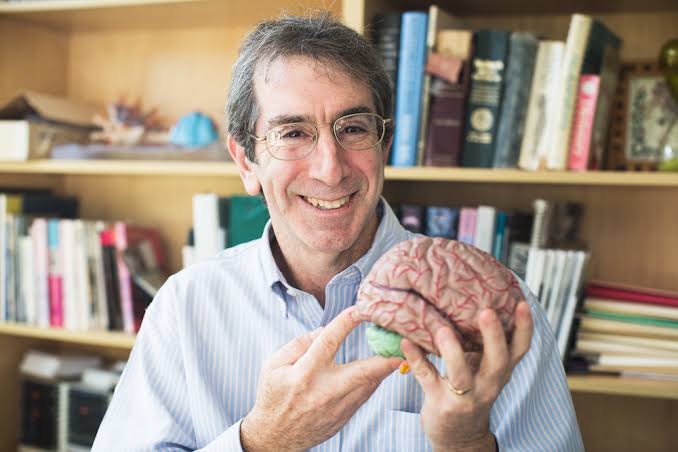
Dr. Eric Chudler, PhD
Dr. Eric Chudler is a professor at the University of Washington and part of the Center for Neurotechnology. He is also an active neuroscience communicator, author, and activist for neuroscience education! Learn more about Dr. Eric Chudler here.
Past Leadership
Dr. Lydia Gordon-Fennell (Joy)
 Neurosci Community Outreach Group