What is Neuroscience Research as a Career??
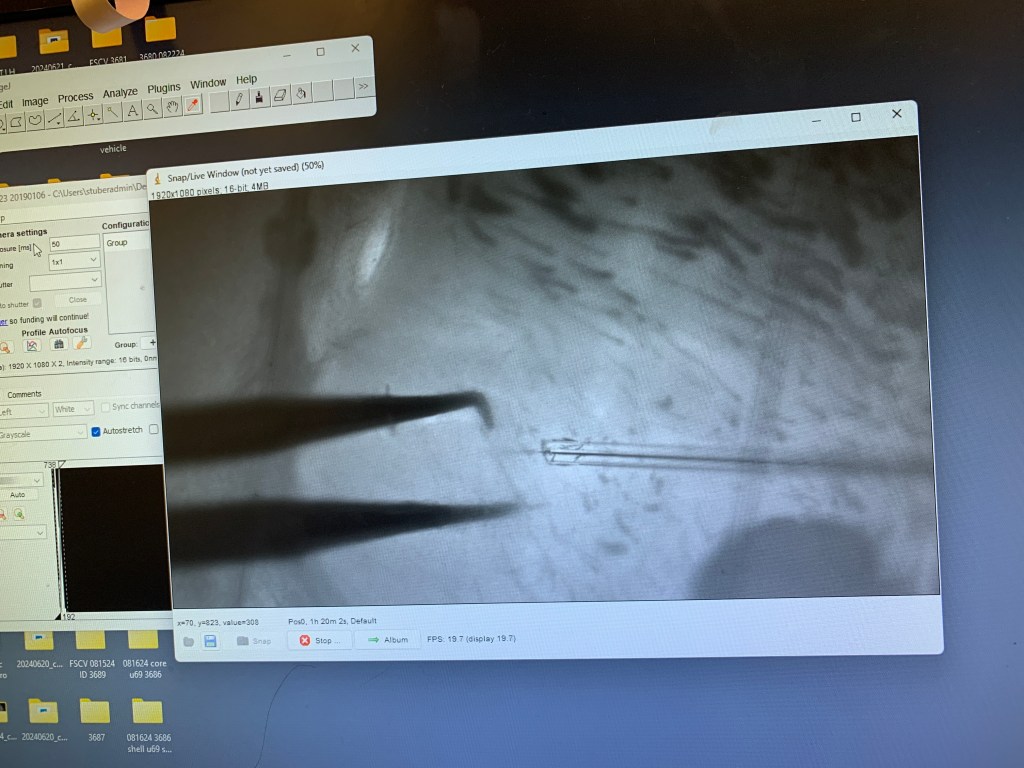

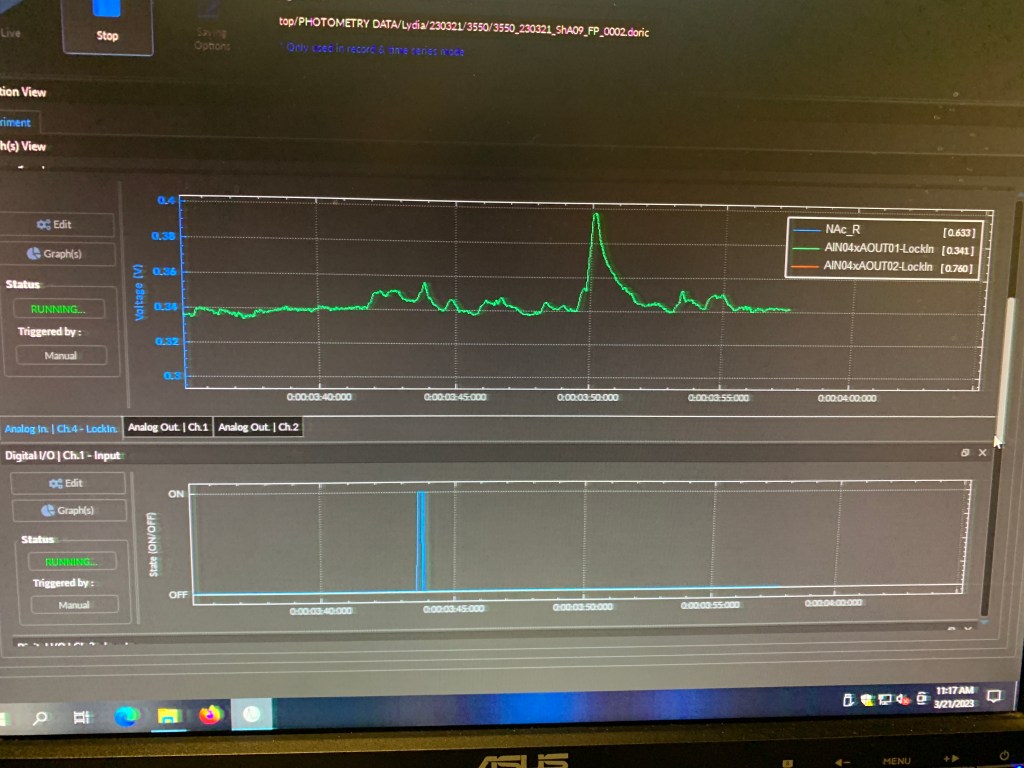
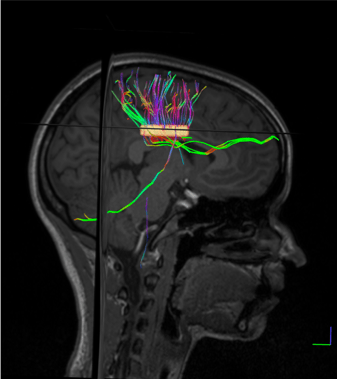

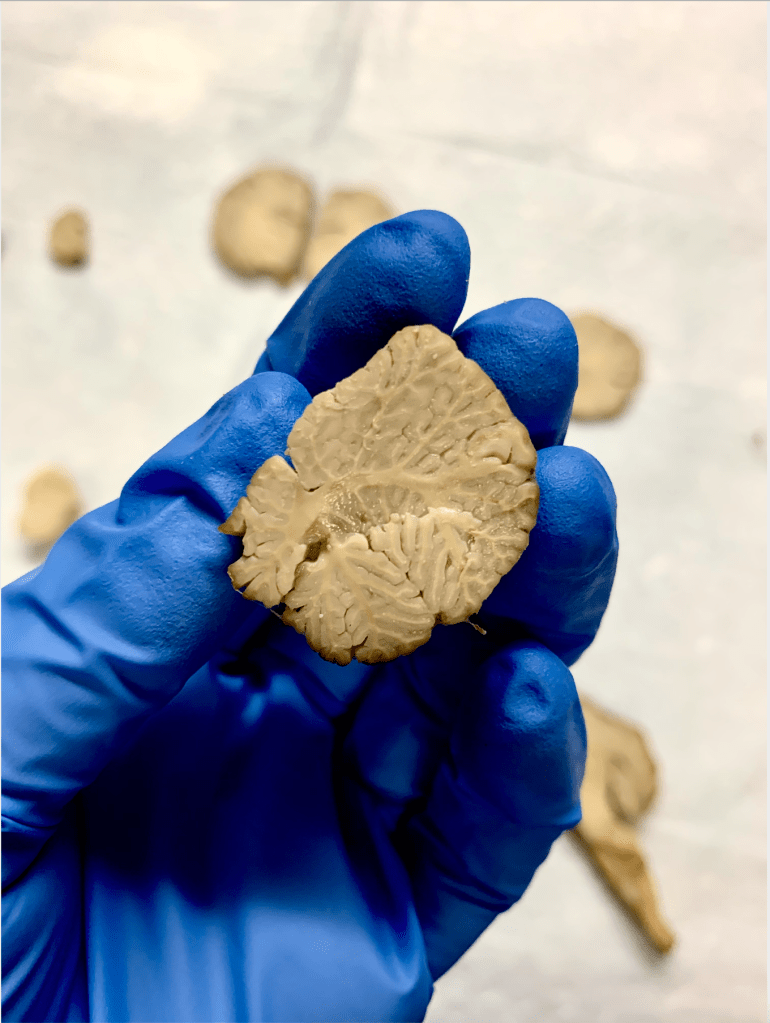
As neuroscientists, we are interested in the nervous system (the brain and the spinal cord). How does it work? What makes it tick? Neuroscience is interdisciplinary by nature, combining genetic, biology, chemistry, physics, anatomy, psychology, etc. You could ask a hundred neuroscientists what they study, and they could all say something completely different! One could be studying how the cells in your eye allow you to see. Another could be studying why you feel motivation to make a certain decision. A third could be studying how neurochemicals in your brain make changes to your cells. A fourth could be studying the genes related to alzheimer’s disease. The possibilities are (almost) endless!
So, what does it mean to do neuroscience research as a career?
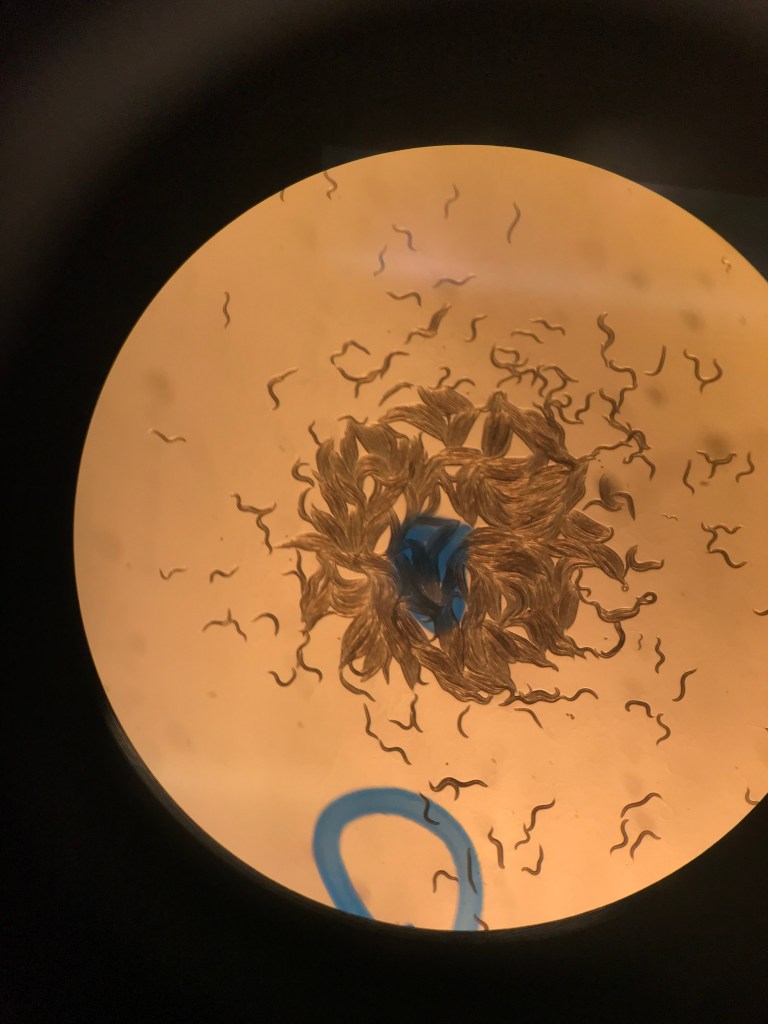
As neuroscientists, we are often in a laboratory coming up with hypothesis, designing experiments to test those hypotheses, performing the experiments, analyzing the data, and writing up our results. What that exactly looks like can be very different depending on the specific research you perform. It could look like interacting with human participants, training rodents on tasks, examining cells under a microscope, writing code and coming up with algorithms on a computer. At the end of the day though, all neuroscientists are interested in exploring the how and why of the nervous system, one step at a time.
The most typical way that someone becomes a neuroscientist is by first obtaining a bachelors (usually in a related field, but not always) and then pursuing a PhD in neuroscience (or related field). After getting a PhD, many individuals work a position called a ‘post-doctoral research fellow’ (shorted as post-doc). Following a post-doc, individuals may obtain a faculty position at a university to start their own research lab! Alternatively, many individuals want to work at a company and decide to move from academia to industry either after graduate school or their post-doc work.
To hear more stories of real-life neuroscientists, check out our spotlight page!
Applying to Graduate School? Check out these Resources for Grad School Applications
Project SHORT
Cíentifico Latino
Commonly Asked Questions about a Neuroscience PhD
Do I need a master’s degree before applying to a Neuroscience PhD program?
No! In typical neuroscience PhD programs, you actually get a master’s degree along the way of your PhD progress. Although it could look nice on your resume, a master’s degree is not a requirement of the majority of Neuroscience PhD programs.
How much does a Neuroscience PhD cost?
Any PhD program in the basic sciences that is worth going to will actually PAY YOU to get your PhD (caveat that the pay is not a lot, but should be enough to survive). In a PhD program in the United States, you are typically seen both as a student and an employee of the university. You are conducting research for the university and deserve to be paid! Many programs also have health benefits and other benefits.
Does my undergraduate degree need to be in Neuroscience in order to apply for / get into a Neuroscience PhD program?
No! In general, you don’t have to get your bachelor’s degree in the same subject as the PhD program you are applying to – this goes for all sorts of PhD programs. However, as you may imagine, having a bachelor’s degree – or at least having classwork – in the same field will greatly help your chances of getting into said PhD program. Remember though that neuroscience is a multidisciplinary field! Tons of undergraduate majors fit wonderfully to prepare you for a Neuroscience PhD program, some examples include: biology, chemistry, electrical engineering, psychology, physics, etc.
Do I need a PhD to work in industry?
A PhD is not always required for working in industry. Many individuals join industry right out of undergrad and can work their way up within the company. Alternatively, you can get a PhD and then enter industry at a higher position. It is possible that your pay may limit out without the PhD.
Do I need to be on a publication to get into a Neuroscience PhD program?
While being on a publication is super helpful for getting into a Neuroscience PhD program, especially at very competitive schools, it is not required! Admissions committees understand that not all labs are run the same and this can greatly impact whether or not you are able to get on a publication while in the lab, regardless of how well the lab prepared you for graduate school. Instead of looking strictly at publications, admissions committees tend to also look at oral and poster presentations to assess how involved you were in the lab.
 Neurosci Community Outreach Group